



 Front-end
 Back-end
 Full Stack Developer
 Mobile
 Other
Other


 Company
 Contact Us
"Health is not valued till sickness comes." — Thomas Fuller.
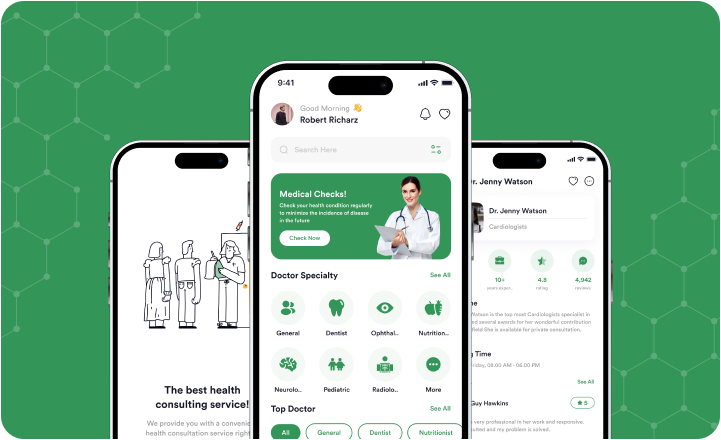
More or less, we all realize the adverse effects of poor health. That is why people nowadays attempt to keep their health in check using different healthcare apps to guide them.
In this regard, healthcare apps have become popular because they offer easy access to regulate our health and wellness related issues. This growing demand is evident from the global smart healthcare market report released in 2023.
It is estimated that USD 165,860.4 million will have been invested on mobile healthcare apps, with an annual compound growth rate (CAGR) of 12.8% from 2023 to 2030. The healthcare app development enhances personal health and well-being as well.
What is a Healthcare Mobile App?
A healthcare mobile app is a software that offers health-related services, information, and many other helping tools to its users through smartphones, tablets, or other devices. The main objective of healthcare mobile applications is to encourage patient engagement as well as making health facilities more accessible and efficient.
Depending on whether it is for patients or doctors the target audience ranges from diagnosis and treatment through health monitoring and preventive care.
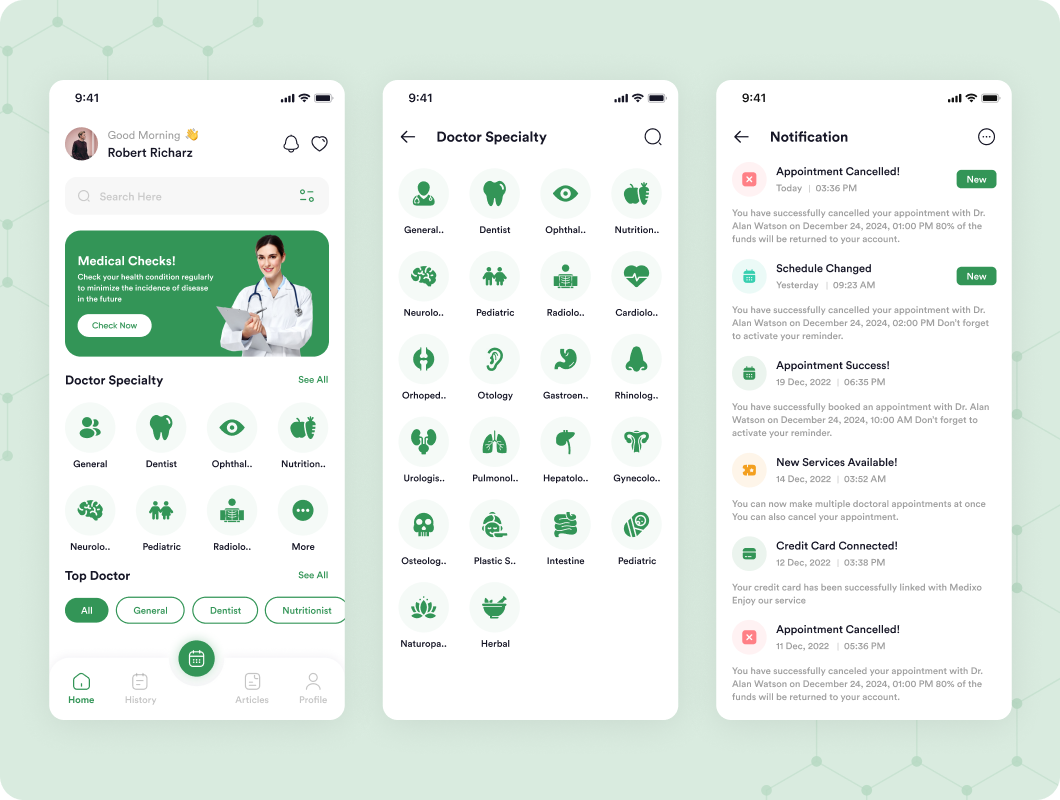
According to a United Healthcare Consumer Sentiment Survey, around 37.0% of Americans sought health-related issues online or through mobile apps. So, the primary goal of Mobile app development (mHealth) is to advance patient care by reforming operations and making the healthcare system more efficient.
Types of Healthcare Mobile Application Development
Healthcare app development contrasts from medical app development as the latter emphasizes more on patient-specific info based on medical test analytics. Healthcare mobile applications can be categorized by their purpose, functionality, and target audience. Some of the most common types of healthcare mobile apps are:
-
Telemedicine Apps
-
Exercise and Wellness Apps
-
Medication Reminder Apps
-
Mental Health Apps
-
Patient Portal Apps
-
Chronic Disease Management Apps
-
Symptom Checker Apps
-
Health Monitoring Apps
-
Health Insurance Apps
-
Wearable Integration Apps
Why is it Beneficial for Doctors and Patients?
There are numerous reasons why healthcare mobile apps are becoming increasingly popular. Patients are spared from standing in longer queues to see doctors, and all healthcare services are easily accessible.
They could pre-plan their schedules, have convenient payment alternatives, optimize medical data, and communicate in real-time from anywhere. The healthcare mobile apps improved doctors' diagnostic accuracy and decision-making through real-time patient diagnostics, smooth data flow, and better point-of-care coordination with improved workflow.
Competition in the Healthcare App Industry
The healthcare mobile app development sector is highly competitive, driven by growing demand for digital health solutions. Many established technological companies such as Apple, Google, and Microsoft have integrated health elements into their platforms (e.g., Apple Health and Google Fit).
Furthermore, specialized healthcare technology businesses like Doctor On Demand, Zocdoc, Epocrates, MyFitnessPal, Medscape, Amwell, Happify, Teladoc, and Cerner dominate the telemedicine and electronic health records (EHR) markets.
Step-by-step Process of Healthcare App Development - 5 Simple Steps
Learn with us about the stages involved in developing such an app.
1. Finalize your niche audience
Before starting with coding and all the technicalities, one must first determine the niche of the app. Successful development of healthcare mobile apps is attached to understanding the target audience and their specific needs.
2. Deciding on the best-serving functions
Once you settle on your niche, determine the core features of the app. Begin with a thorough dashboard displaying an overview of all cumulative patient data. You can add reporting and analytics features to generate patient history reports.
If your app works on a subscription basis, incorporate payment options. Also, you can add GPS functionality to help users find nearby clinics. A doctor profile functionality will enable them to save time when searching for a good doctor for specific diseases.
Furthermore, real-time chat and video options will enable the patients to instantly connect with onsite doctors in emergencies.
3. Understanding patient privacy
Security is a big concern for any application, but in the case of healthcare apps, privacy comes first, as patient data is sensitive. Obtaining the correct certifications is a necessity to secure patient information. Focus on the design of the privacy statement, various authentication, and integration applications with adequate encryption.
4. Develop UI/UX design
When all the technical parts of the software are managed, the UI/UX design has to be addressed to ensure the application works in one entity. This approach will ensure that the design does not contain unnecessary clutter.
5. Efficiently Code-Up
The final stage in building a healthcare mobile app is to code it well enough to accommodate everything you've decided.
Features of Healthcare App
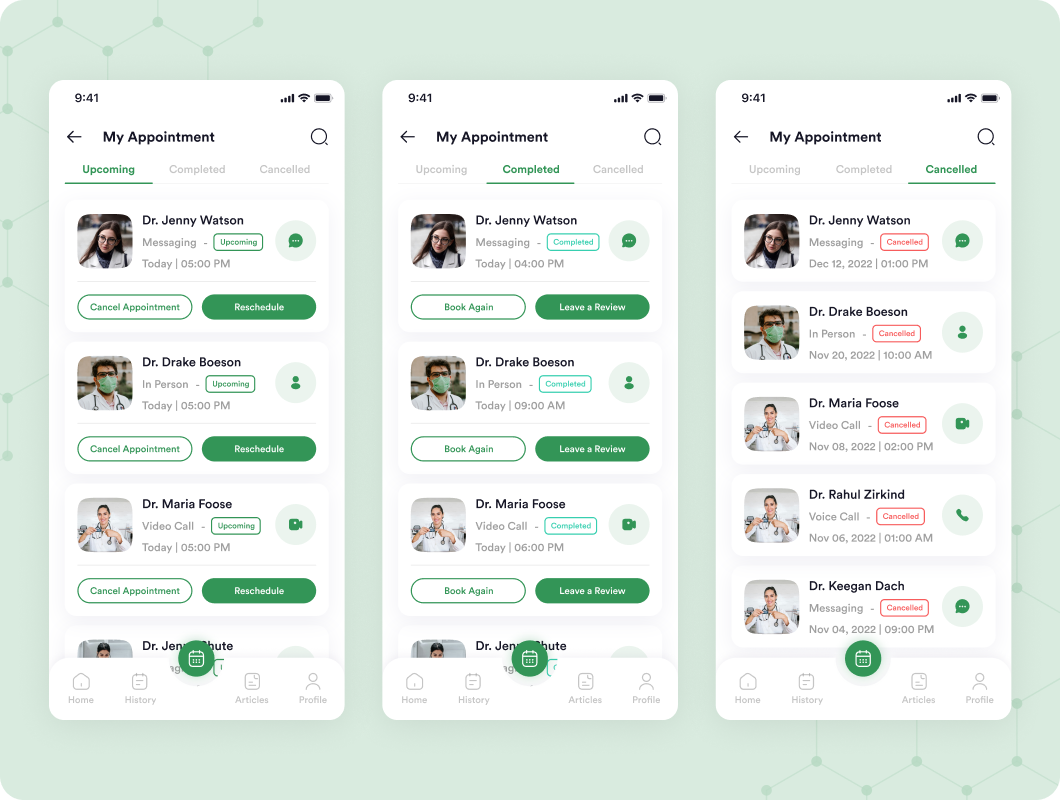
Appointment Scheduling
The top functionality of healthcare apps is scheduling with one click, a priority feature if the app is connected to an offline medical service.
EHR Integration
To digitize patient registration and medical history, saving and securing them in one place. HIPPA-approved apps may have HER synchronization and access to the hospital's internal system, allowing synchronization of health data from the app.
e-Prescriptions
e-prescription technology can give the convenience of requesting and getting prescriptions online by saving time and minimizing the interaction.
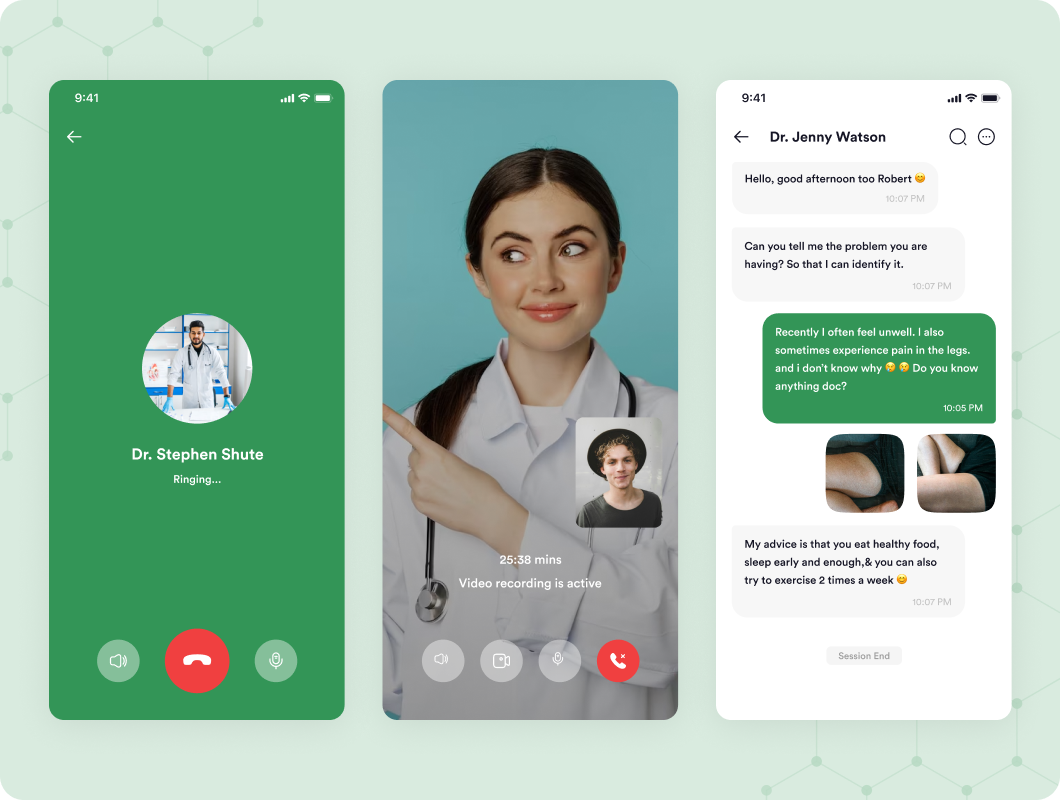
Live Chats & Video Conferencing
Video conferencing is a top-notch functionality that can be used for remote visits. Live chats can be introduced to getting initial support, administrative advice, appointments with a therapist, and receiving answers 24/7.
Seamless Payment Methods
Seamless payment gateways allow easy mobile payment for medical services, medicine, or insurance. Integrating multiple payment options, like with the help of a credit card, PayPal, or Payoneer services, into the healthcare app is also possible.
Alerts & Reminders
Well-settled notifications inside medical apps to track the health vitals, reminders of appointments with doctors or lab analysis, etc.
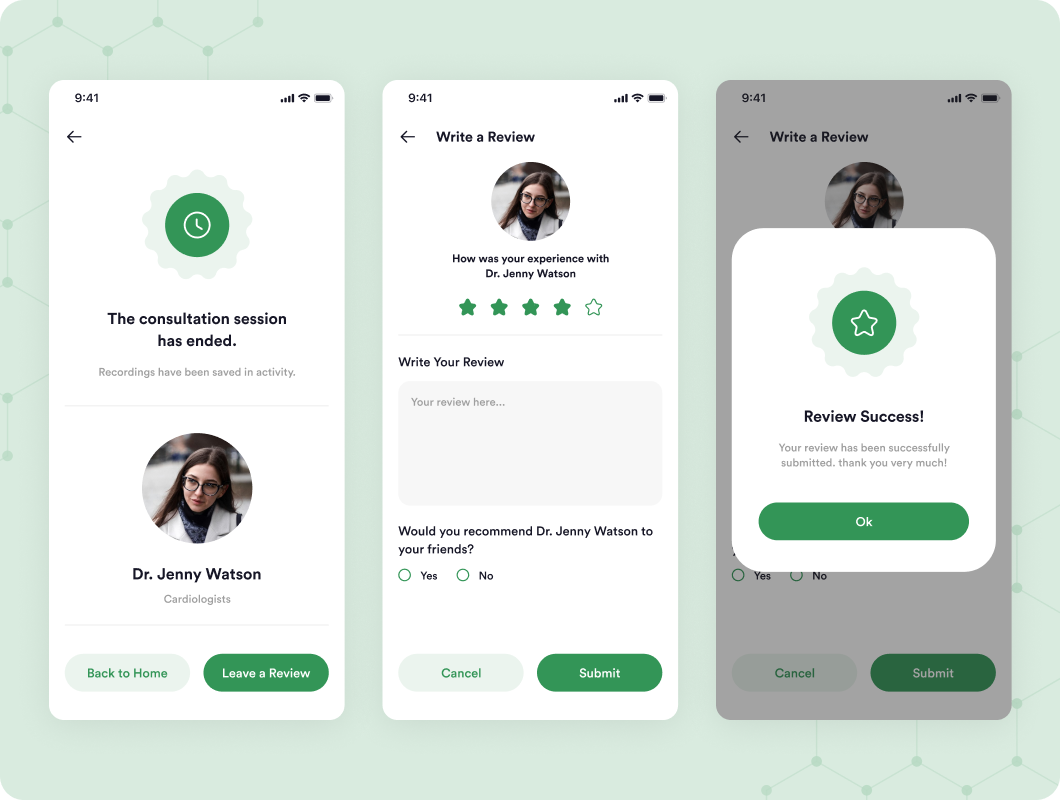
Feedback System
Well-designed feedback systems will assist the healthcare industry in obtaining comprehensive and deep insights from the markets and end-users.
Sign up / Sign in and User Dashboard
The first interface between the app and the user initiates with the sign-up/sign-in feature, which enables registration to gather initial patient data. This step is vital as it sets up a specified user dashboard, giving users personalized health vitals and access to different services.
Search and filter Tool
The search tool will allow the users to navigate the app with custom filters and find the information.
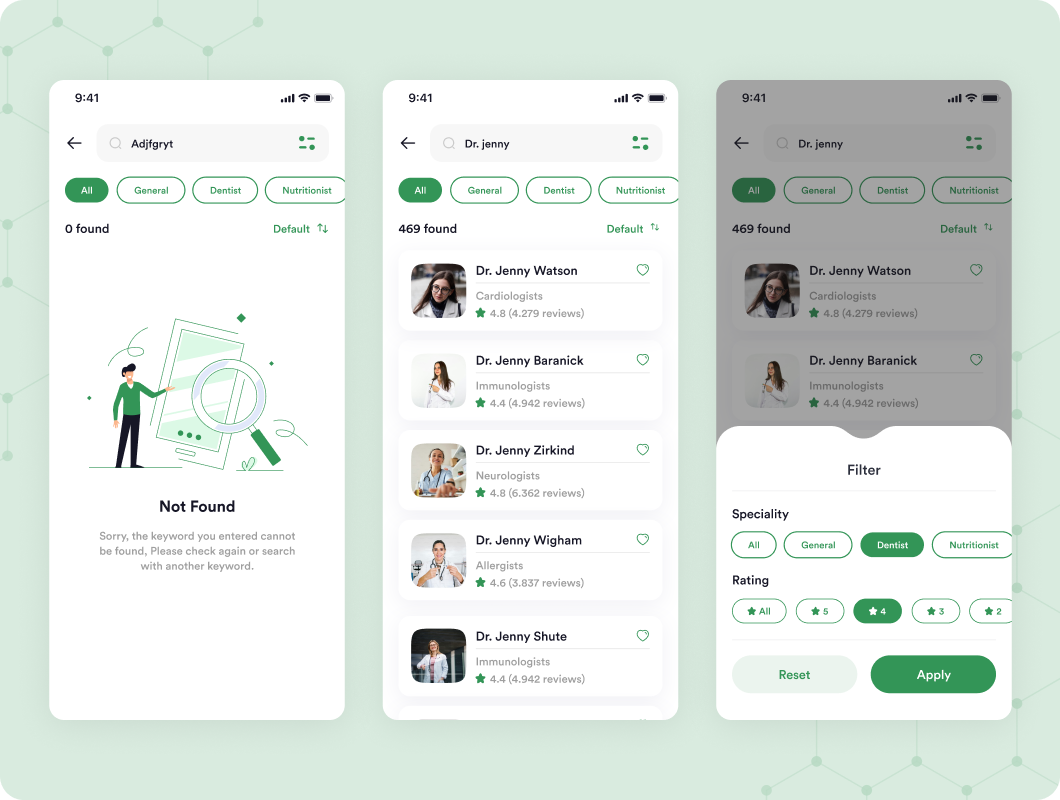
Doctor specialties
Users can easily explore doctors based on their areas of expertise, helping them find specialists suited doctor to their medical concerns.
10 Healthcare App Monetization Strategies
The healthcare mobile app industry offers more than ten monetization strategies, catering to the growing demand for digital health solutions. Popular methods include,
-
Freemium models
-
In-app advertising
-
In-app purchases
-
Content monetization
-
Sponsorships
-
Partnerships and promotions
-
Subscription models
-
Pay-per-service
-
Telehealth and consultation services
-
Affiliate marketing & referral programs
Healthcare App Development Trends in the USA
Healthcare app development is currently developing at a fast pace due to rapid advances in technology and shifts in patient preferences. Some of the most prominent healthcare app development trends include
-
Telemedicine and virtual care applications.
-
Artificial Intelligence (AI)
-
Integration of wearables
-
Mental health care apps
What is the Healthcare App Development Cost in the USA?
The usual cost of developing a healthcare app in the USA typically falls between $30,000 to $50,000. However, this is a generalized figure, and the actual cost fluctuates considerably across different categories of healthcare apps.
Ready to develop your healthcare app? Connect with our expert today to get personalized advice and a detailed project estimation.
How Empiric Infotech LLP Can Help You?
Empiric Infotech LLP is a professional healthcare mobile app development company that develops the best healthcare apps to grow your business exponentially. We are dedicated to offering solutions emphasizing quality and creativity.
Ready to integrate on your healthcare app journey?
Let's get in touch with our team, specializing in developing custom apps that your business needs.
Conclusion
A successful and well-designed healthcare app can gain you manyfolds in your business. Empiric Infotech LLP offers you a full range of services to build the app successfully for your business.
Healthcare Mobile App Development FAQs
How much does it cost to develop a healthcare mobile app in the USA?
The average cost of a healthcare mobile app development in the USA is typically $30,000 to $50,000.
What are the benefits of healthcare apps?
There are many benefits of healthcare apps including easy access to doctors, appointment booking, and getting medical reports from home, etc.
Who are the target audience of healthcare apps?
For healthcare apps healthcare professionals, patients, and family caregivers are the main targeted users or anyone who wants to keep their health in check regularly.